The Weather Changes in the UK and How it Potentially Affects Carp Behaviour and Feeding
Evidence suggests that European monks introduced carp into the UK around the turn of the 17th century. Since then, anglers have been studying the carp and its environment as a means of locating and catching the fish. In the 1990s, much work was done to determine the impact of the moon, wind direction, air pressure changes, oxygen content and water temperature on carp behaviour.
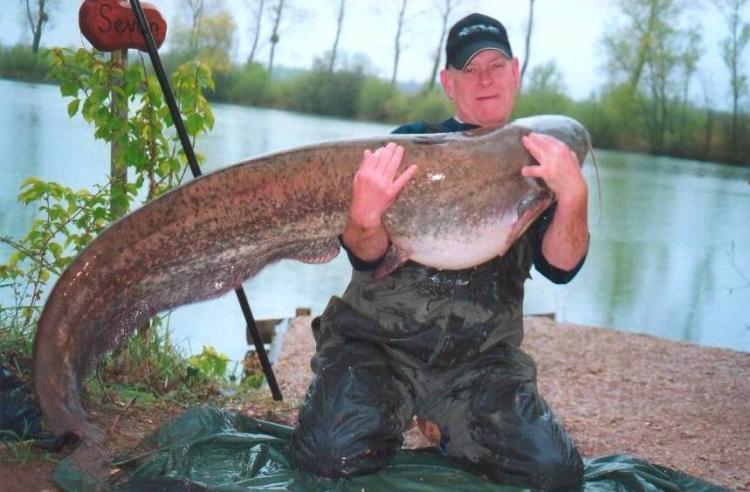

Try to go carp fishing in the appropriate weather conditions or you may end up catching the catfish instead! This beast wrestled Mac into submission. It weighed over 85 pounds - my lucky father!
The Moon
Questions have arisen as to whether the moon phases affect carp fishing. Many saltwater fishermen use solunar tables to calculate prime fishing times. The tables are based on a combination of moon phases and sun/moon rise/set times and rate the various time periods each day. There is some computer software available that can do solunar calculations, but these are usually only suited to North America. It is uncertain how moon phases would affect freshwater fishing as there is no tidal factor to consider.
Wind Direction
The direction of the wind has a direct impact on the feeding habits of carp. Anglers know that nutrients in the water change direction to match that of the surface winds. Carp follow the nutrients because they can taste and smell items in the water. They have a highly sensitive olfactory system that allows them to sense any dissolved substance in the water and determine whether or not it is a good food source. In addition, the lining of the carp’s mouth contains chemically sensitive cells that allow it to determine whether that food is good or bad. As the wind driven water hits a shoreline, the under-current stirs up food from the bottom, attracting the fish. When the food becomes scarce, the carp will move further from the bank and gradually disperse across the lake to new areas. A change in the wind to a new direction will encourage the fish to move into the windward shore again.
It has also been suggested that the wind blows on the fisherman’s line and sends the vibrations down it and that attracts the fish to the bait. When the fish picks up the bait, it feels the vibrations and runs with the line. When the wind stops blowing, the bite doesn't stop but the runs do. When the wind picks back up the runs soon follow.
Air Pressure Changes
Research has been done into whether barometric pressure has any effect on carp. When the barometer drops, carp tend to stop moving and start feeding on dead materials. When it rises, carp become more active and feed on living things.
Weather
Today, most anglers know that weather affects the quality of fishing. Poor weather conditions, such as clouds and rain, increase the probability of catching a carp. Rain in warm weather cools the water and increases oxygen levels. This freshens up the water and makes the carp more sensitive to the smell of the bait. Cold weather appears to have the reverse effect. Carp become less excited and more difficult to catch. In clear water under sunny conditions, the carp’s ability to see is excellent, depending on its depth in the water. Cloudy conditions, on the other hand, reduce the amount of light in the water and have the side effect of hiding the angler’s presence.
Oxygen Content
Carp can survive in low oxygen water (0.3-0.5 mg/litre), stagnant pools or waterways or in rivers heavily contaminated by human sewage, industrial and agricultural toxins and wastes. Carp are capable of absorbing large amounts of Mercury, PCB and heavy metals in their tissue. Because of this, they should not be eaten if they are taken from contaminated waters. Carp can also thrive in oxygen rich waters.
Water Temperatures
Changes in water temperature alter the feeding habits of carp. Increases in temperature can significantly reduce the number of fish caught. Where the weather is warmer for longer periods, the feeding patterns gradually return to normal. In such areas, a change of bait is helpful. Boilies made with less casein and more carbohydrate, such as semolina, seem more effective. Smaller and/or softer baits have also been found to get better response.
It was once thought that carp could not be caught in water above 21c or in water below 16c. Research indicates that they can survive inside a block of ice with only a small amount of free water in the centre. They can do this because of their ability to modify their muscle properties and swimming performance following several weeks of temperature adaptation. In the cold winter months, carp generally stay near the bottom. A good rule of thumb for winter is to fish at the peak temperature times when the water warms slightly. Carps’ feeding periods will be shorter and less intense than in warmer months. The angler should realize that the fish are far more selective in where and on what they'll feed during the winter.
Spawning
Changes in water temperature have an affect on carp’s spawning habits. Carp spawn in the spring and early summer when the water temperature is around 16-26C. It may take place over several days. The embryonic development of carp takes about 3 days at 20-23C. If hatching comes too close to winter the young carp fry do not have enough time to build up reserves of fat before winter sets in and they perish. Growth is rapid where the water is warm and rich in food. Carp can reach 0.9kg and 15cm in length in a year. They continue to grow at that rate, but not in waters that are too cold (below 10C) to encourage maximum size. The ideal temperature for maximum growth is 20-28C.
References for the above Carp Article:
Al-Hamed, MI. Carp Culture in the Republic Of Iraq. Found in Proceedings of the FAO World Symposium on Warm Water Pond Fish Culture.
URL:
http://www.fao.org/docrep/005/61036T/61036T10.htm. [Accessed Feb 23 2007].
Dawson, Peter. 1996. Carp-l FAQ. URL: Weather.
URL:
http://www.carp.net/faq/cfaq_6.htm. [Accessed Feb 23 2007].
Grattidge, Julian. Oct 24, 2005. Beginners Guide to Carp Fishing – Part 2:
Watercraft. URL:
http://www.northwestcarp.co.uk/Carp-Articles/Beginners-Carp-Guide/Guide_Carp_Fishing2_Watercraft.html.
[Accessed Feb 23 2007].
Hayes, Matt. No date given. Ask Matt Hayes,
URL:
http://www.anglersnet.co.uk/authors/matt13.htm [Accessed Feb 23 2007].
Herkel. 2007. Wind and Carp? Carp Anglers Group. URL:
http://www.carpanglersgroup.com/forum/index.php?showtopic=19926&pid=275480&st=15&#entry275480.
[Accessed Feb 23 2007].
Peteri, A. January 31, 2007. Cultured Aquatic Species Information Programme
- Cyprinus carpio. FAO Inland Water Resources and Aquaculture Service (FIRI).
c2004- .
URL: http://www.fao.org/figis/servlet/static?dom=culturespecies&xml=Cyprinus_carpio.xml
[Accessed Feb 23 2007].
What are the different types of carp
Carp Senses; taste, smell & vision
Carp Reproduction - What do Spawning Carp Eat?
The Digestive Habits of Carp & What it means for Bait
Weather Influences on Carp Fishing
New PVA Bag Techniques to Guarantee Catching More Carp
Tips to Using PVA Bags to Attract Bigger Carp
How to Bait Up Effectively in Winter Cold Months
Roam to Catch Carp or Best to Bait Heavily
Mid-Water Techniques for Catching Larger Carp
Carp & their Plant Environment Including Weed
Weather Influences on Carp Movement
Do Carp Have Good taste, smell & Sight?
Carp Digestion & assimilation of Food Sources & Bait
Carp Spawning Do they still eat our baits?
What is the Ideal Length for Hair Rigs Making Carp Rigs
How Does Raining Affect Carp Feeding Patterns?
Fishing Reports on Linears Lakes - Hardwick & Smiths
Techniques to Stop Ledgers Sinking into Silt Beds
Carp Angling & Rig Presentation in Weedy Waters
Presenting a Fishing Rig on Silt Bed or Soft Bottom
How to Stalk for Large Carp in the Margins
How to Catch Fish at Linear Complex on Oxlease Lake
Using Method Feeder to Catch More Large Carp
What is Best Length for Hook Links on Carp Rigs?
Fishing for Large Carp Using High Visibility hook Bait
What Fishing Situation Best to Use Pop up Hook Baits?
Do We Always Need to Use Best Quality Carp Fishing Bait?
How Often Should We Use Pop-Ups on Fishing Rigs?
Fishing Report for Linear Complex Brasenose One
Can We catch Big Carp On Cheap Bait?
What Rig Systems for Which Fishing Situation?
How much Gap from Hook Bait to the Hook Bend?
How to Catch Carp in Snags & Under Tree lined Areas
Using Single Bait Methods to Catch Out Large Carp
How to Tackle Crayfish Problem Fishing For Carp
What Area to Choose When Fishing a New Lake
River Fishing for Large Carp in Rivers
How to Catch the Carp from Margins of Pools
Pre-Bait Fishing Tactics to Trick Huge Carp
Fishing for Carp in Mid-depth Water Using Zig Rigs
How to locate Shoals of Carp in the Springtime
How to Locate Big Fish in Local Lakes During Summer
What are the Best Baits for Catching Big Carp?
Different Carp Bait for Catching Big Carp
Locate Big Carp from Visual Features in the Lake
Catch the Biggest Carp from the Margin Shallows
List of all our Carp Fishing Articles & Information
Bradley's Lake Gloucestershire: Sept 2008
 Copyright Content!
Daily Carp catching Tips