Catching Carp in Silty Waters
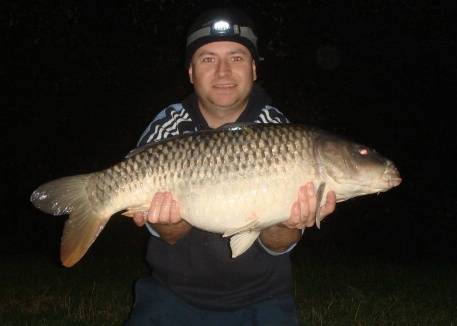

Fishing for carp in silt can be a nightmare for some anglers. There are a number of common problems associated with presenting a carp bait on a silty lake bed, so it’s important to gain experience on how to fish for carp in silt. The main problem that can occur is the lead will sink into the lake bed, and this may ruin the presentation of your hook bait.
It’s very difficult to avoid the lead sinking into a silt bed, but you can alleviate the problem by using lighter leads, and try those with a flat shape of some kind. It may also be best to use swivel versions of leads as an inline may cause a bad hook bait presentation, especially if using some stiff link materials. Although a few top carp anglers have recommended using large inline leads if the swivel types are getting stuck in mud or certain types of silt bed.
The best thing to do is experiment with different versions on all 3 rods to see which type of set up is less problematic. I have found that big lead alternatives, like the Pallatrax stones or the glass legers are good for stopping the rig sinking too deep into the soft lake bed.
Another potential problem is the hook bait dragging under the silt from the weight of the lead and becoming less visible. Visual problems are likely if a few fish are active in and around the area where the bait lies. Feeding carp will often cause a dark cloud from the silt particles as they disturb the bottom when searching for food. Although one benefit of this process is it can help disguise the end tackle to some degree.
Estimating The Depth of Silt
Different problems will arise depending on how soft and/or deep the silt bottom goes down. I have read about one technique to find the depth of any silt pocket. I have never tried this method but have been told that it’s a good way to assess the depth of silt in a lake.
Tie a piece of strong white cotton as a leader, or use Kryston’s super silt (it’s already white and can be coloured with pens). Then tie a lead to the white leader and cast it into the silt. Leave it for a few minutes and retrieve the lead. If you measure the very dark section of the leader, you should be able to estimate how deep the lead weight dives into the silt bed. Now you can create a fishing rig to suit the depth of the silt.
Fishing Tactics in Silt
Try to find the least smelly silt areas to present a bait. These are the likely areas where carp will feed more confidently. Silt pockets that have a strong, rotting smell may overpower the smell of your bait so they do not attract any fish.
If you are lucky enough to find a non-smelling fresh silt bed in your lake, then it might be a good tactic to try to get your carp rig to actually sinks into the silt and use a natural food source like worms or even maggots. Carp will often dive deep into the silt to search out natural food items, so a bait stuck inside the silt ready to be found may pay off big time! Although, one thing you may have to do, is to attract the carp into the area first, by throwing out plenty of attractor bait. I like to use bread crumb balls that are full of scent attraction, but contain little food particles. A light coloured ground bait will give visual attraction to carp and the smell will attract them into the swim. Once in the area, they will confidently sniff out the worms on the hook under the silt.
Baiting Tactics When Fishing On Silt
For baiting silty patches, I prefer to use light particles so they don’t sink too much, and will retain some visibility for the fish to see as they swim past the area. Carp do seem more comfortable searching out natural food items, so I like to use naturals or natural smelling flavours. This means using bloodworm forms of flavour, especially bloodworm pellets or worm additives of any kind. Worms themselves are good, but don’t forget they can bury themselves into the silt or mud. Worms may require air blown into them so they are more balanced slightly off the bottom. Fake, plastic worms can also work well on silt. Dead maggots are also a great bait to feed the carp as they lie nicely on top of silt patches.
I prefer to bait a large area in the silt as I want to encourage the carp to keep moving about the swim and rummage for different food items. If carp remain active, it should keep them hungry and cause competition for the food. If the lake you’re fishing is highly pressured, then it may be a good tactic to match the colour of the bait to the lake bed. The carp will be able to smell the bait but they cannot easily see them, so they end up sorting out the food items using more of their smell rather than sight, this makes them easier to catch. This was a carp angling tactic used by Rob Hughs and Simon Crow when they won the world carp fishing championship at Fishabil in France.
If fish are disturbing the lake bottom more, then it causes darker clouds which make it harder for the carp to identify lines and end tackle components, and this helps to produce more bites.
Another good angling tactic when fishing on silt would be to use critically balanced hook baits so it lies nicely visible on the top of the silt bed. This makes the hook bait slightly more visible than the other free boilies placed out in a spod or catapult. If you use sponge to balance the hook bait it will hold more liquid attractant which helps attract them onto the hook bait. It also helps to prevent the bait from taking on too much of the surrounding silt smell and taste.
It is possible to buy boilies that have a non-porous skin surrounding them, and this is designed to have a low water intake which limits the absorption of the smelly silt. I’m sure Nash baits make them.
New PVA Bag Techniques to Guarantee Catching More Carp
Tips to Using PVA Bags to Attract Bigger Carp
Spod Techniques Developing Highly Attractive Bait presentations
How to Stalk methods for Catching Larger Target Carp
An Unusual Carp Method for Margin Fishing Tactics
How to Attract The Big Carp in New Waters
Fishing for Carp in Thick dense Weed beds
Fishing for Large Carp from Silt Bed Swims
How to Bait Up Effectively in Winter Cold Months
Locating Big Carp in the Spring
Carp Location in the Summertime
Finding Large Carp in the Cold Winter
Location of Most Carp in Autumn
The Case for Quality Carp Bait
Fishing Tactics for Snags & Trees
Boilie Placement on the Hair rig
Different types of carp rigs to use
A Carp's Digestive System in Detail
Ingredients used in Common Carp Baits
Common Baiting Tactics When Fishing
The Various Carp Bait used to Catch Bigger Carp
When to use Pop-ups or Bottom Bait for Carp Fishing
How to complete a Baiting Campaign on Lakes & Ponds
The Basic Carp Fishing Baits Used to Catch Large Carp
Fishing Tactics when Fishing for Carp during Long-stay Sessions
 Copyright Content!
How To Fish For Carp In Silt Beds can be difficult but persist & you will succeed!
Daily Carp catching Tips